Predator Urine

Predator Urine
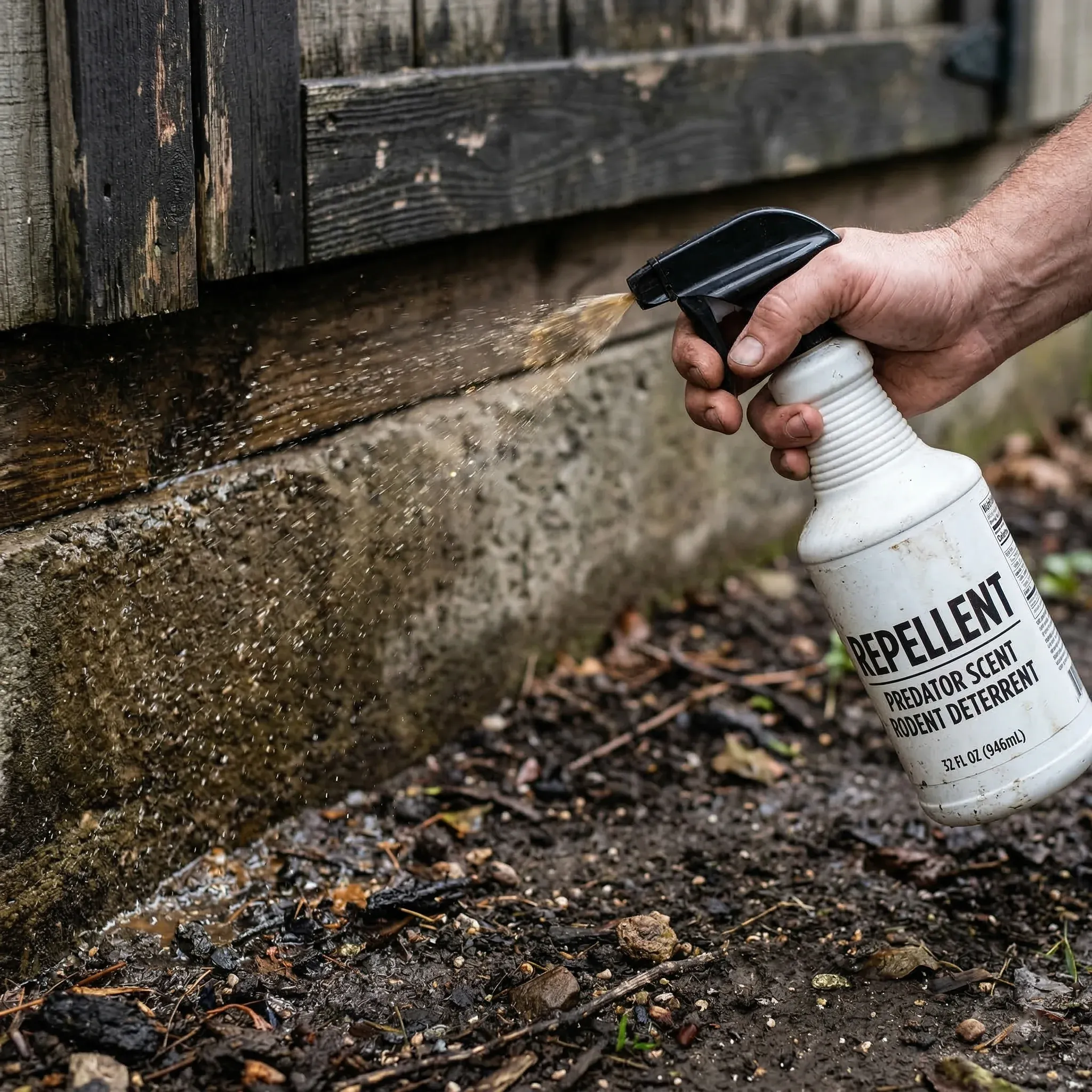
Predator urine products sell the fantasy that prey animals will abandon a structure as soon as they smell danger. In real homes, that logic breaks down quickly once food, warmth, and nesting cover are already established.
Overview
The theory sounds intuitive, but real infestations do not behave like open-field prey encounters. Mice and rats living inside a structure are not making abstract decisions about wilderness predators. They are exploiting shelter and calories.
Mechanism
These products attempt to create a fear response through predator scent signaling.
Why It Fails
- scent intensity fades quickly
- airflow and clutter fragment coverage
- established rodents often ignore weak threat cues
- products do not stop nesting or structural re-entry
Practical Drawbacks
- strong odor in occupied spaces
- messy deployment
- unnecessary biological handling concern
- wasted budget that could fund real hardware
Better Alternative
Use targeted trapping, sanitation, and exclusion. Those methods change outcomes. Predator urine mostly changes how the room smells.
Conclusion
Predator urine is another example of symbolic control instead of real control. If the structure stays open and food stays available, rodents stay too.
Responses (0)
Loading comments...