The House Mouse

The House Mouse
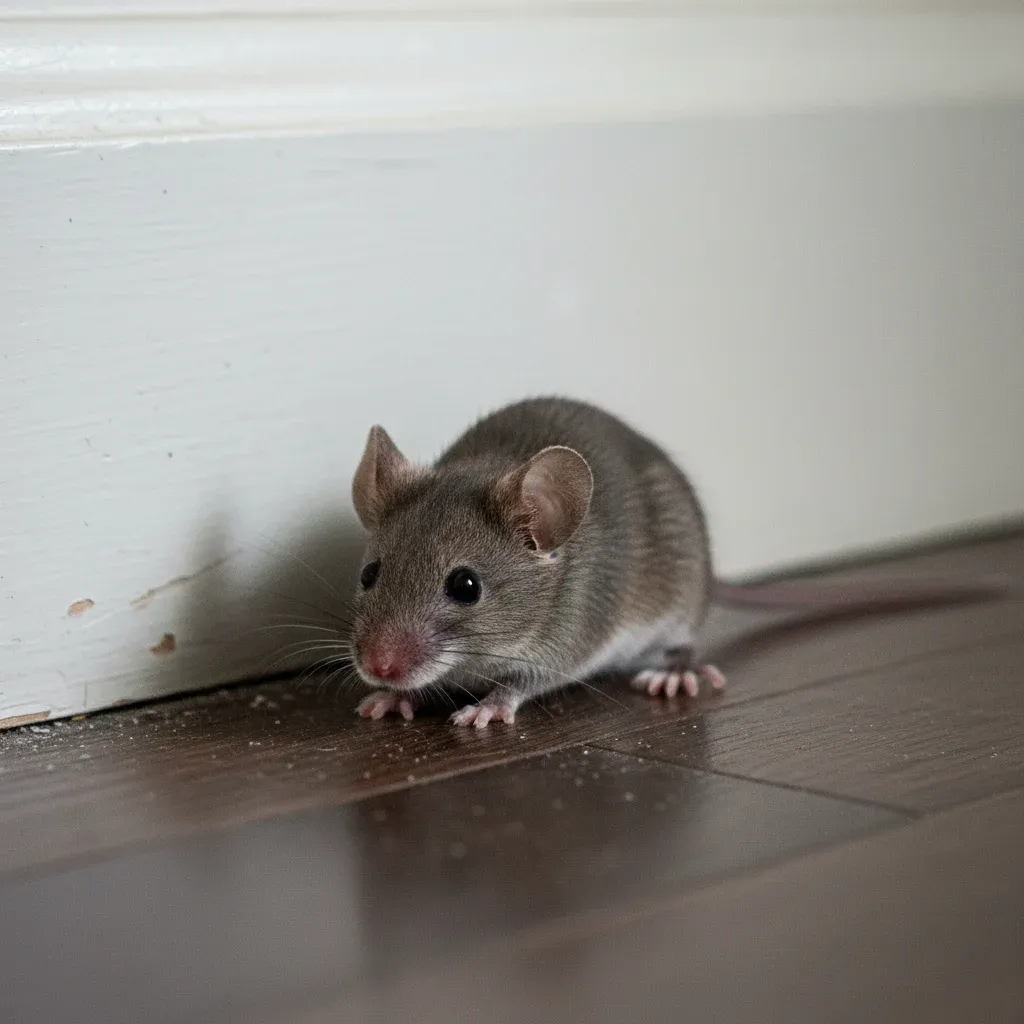
The house mouse is the default indoor rodent in kitchens, pantries, wall voids, and utility zones. It is smaller than a rat, more flexible than most homeowners realize, and capable of turning a light infestation into a colony shockingly fast.
Overview
The house mouse succeeds because it combines caution with flexibility. It can exploit gaps the size of a dime, feed opportunistically on crumbs and pet food, and build nests in insulation, stored paper, cabinet voids, and appliances.
Identification
Typical house mouse indicators include:
- small dark droppings with pointed ends
- greasy smudge marks on repeated travel lines
- fine scratching in wall cavities at night
- light chewing on bags, cardboard, and wiring insulation
Behavior Profile
House mice prefer short foraging runs close to cover. They rarely commit to open floor space if a safer edge route exists. That makes flush wall placement more important than fancy hardware.
Trapping Strategy
- Use standard mouse snap traps, not oversized rat traps.
- Place traps perpendicular or flush to baseboards where droppings and rub marks already exist.
- Deploy in volume. One observed mouse often means more than one active route.
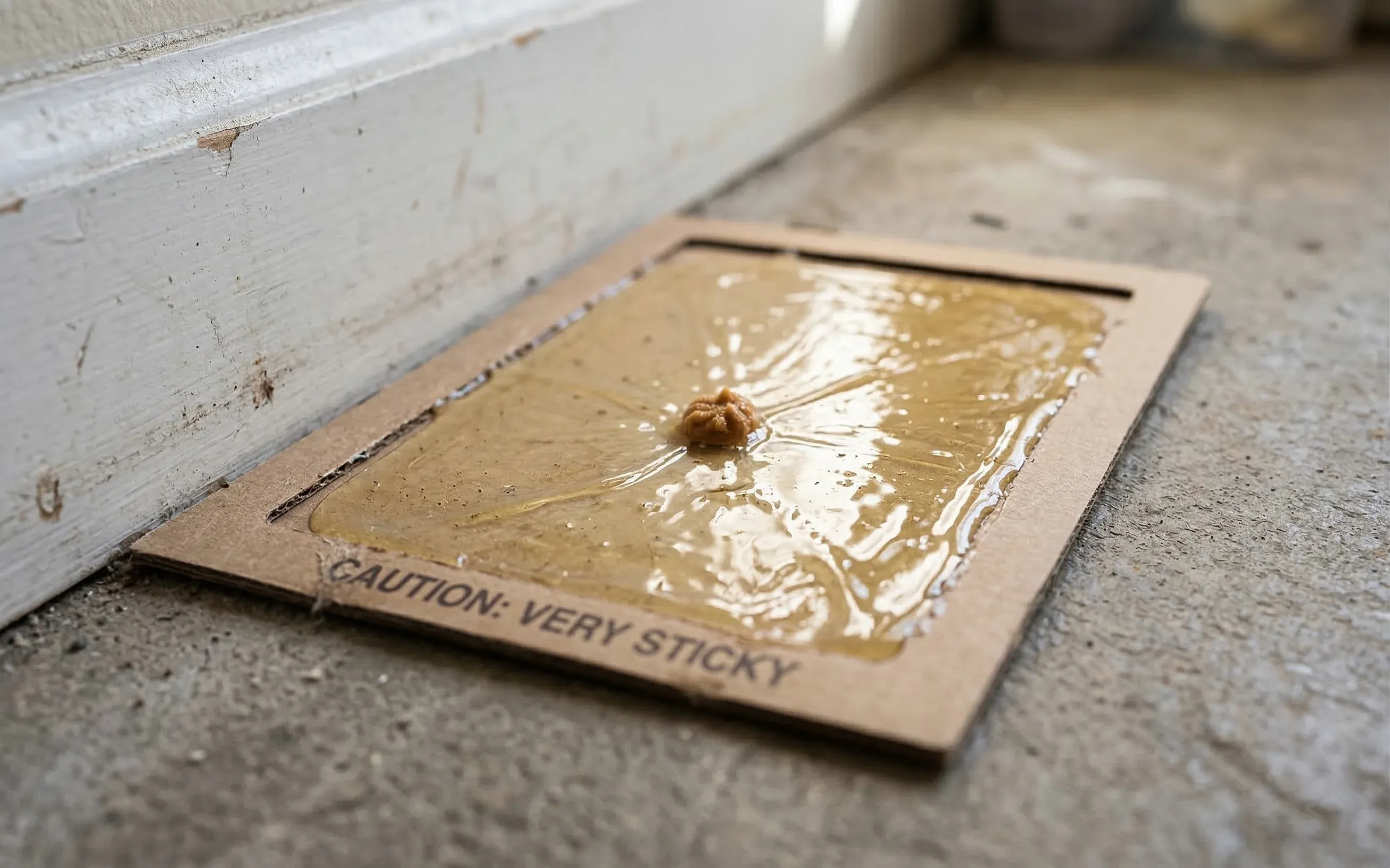
- Sticky bait performs better than loose food because it forces the mouse to stop and work.
Bait Preference
Peanut butter, hazelnut spread, oats, and small smears of bacon grease perform well. Solid baits are weaker because a smart mouse can steal and retreat without committing full body weight.
Exclusion Priorities
- cabinet pipe penetrations
- stove and dishwasher gaps
- laundry hookups
- garage-to-house thresholds
- attic and crawl-space transitions
Conclusion
The house mouse is the most common indoor target precisely because it thrives on underreaction. Success comes from volume trapping, edge placement, and sealing the structure before the next breeding cycle starts.
Responses (0)
Loading comments...