The Norway Rat

The Norway Rat
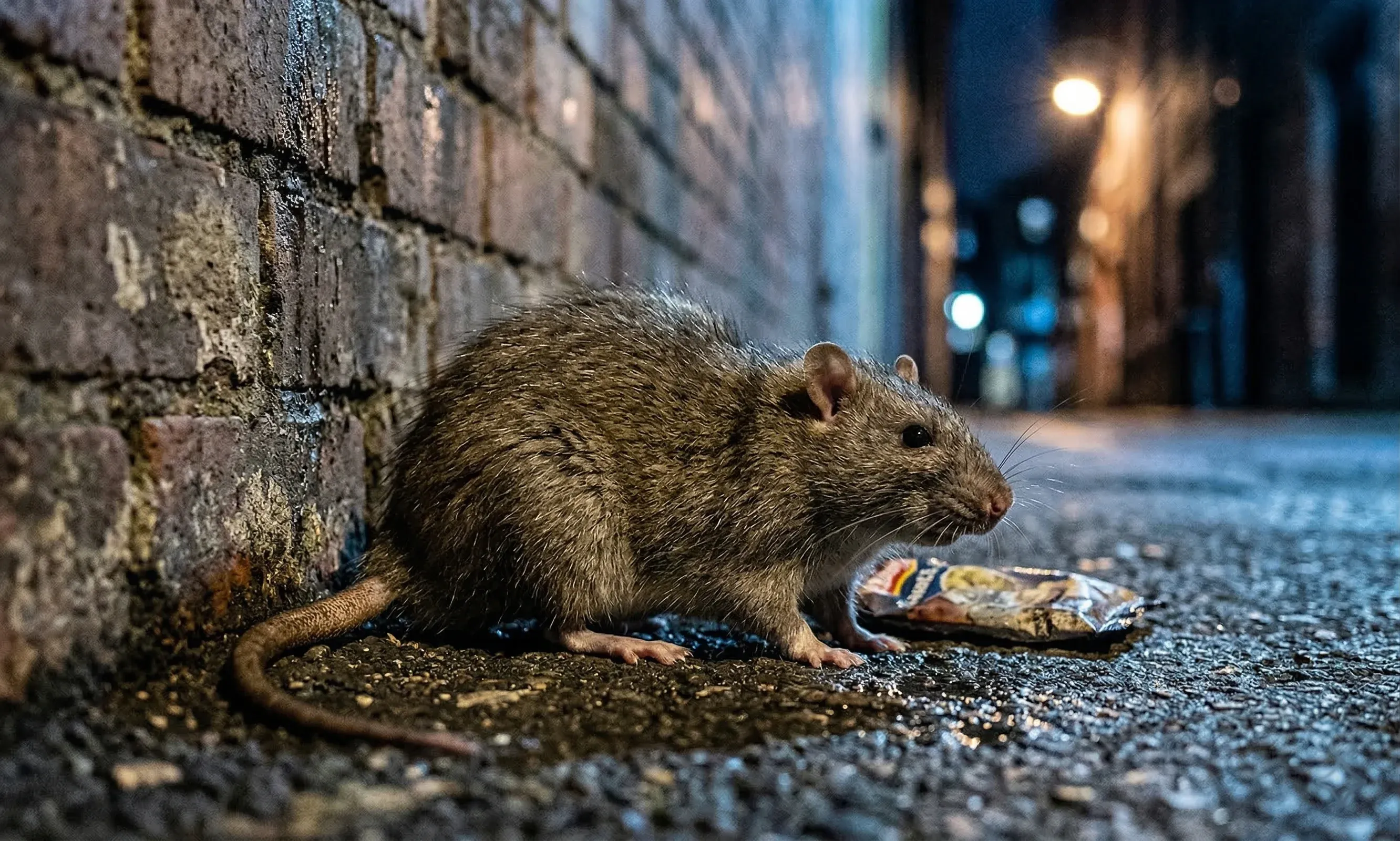
The Norway rat is a heavy-bodied, ground-oriented structural pest associated with burrowing, sewer-linked movement, food contamination, and expensive physical damage. It is a different problem class from mice.
Overview
Norway rats are larger, stronger, and harder to bluff than mice. They prefer lower levels, basements, crawl spaces, slab edges, trash zones, and exterior foundation lines. When they establish reliable food and water, they create high-pressure infestation conditions quickly.
Identification
Common signs include:
- large capsule-shaped droppings with blunt ends
- gnaw damage on wood, plastic, and soft metal edges
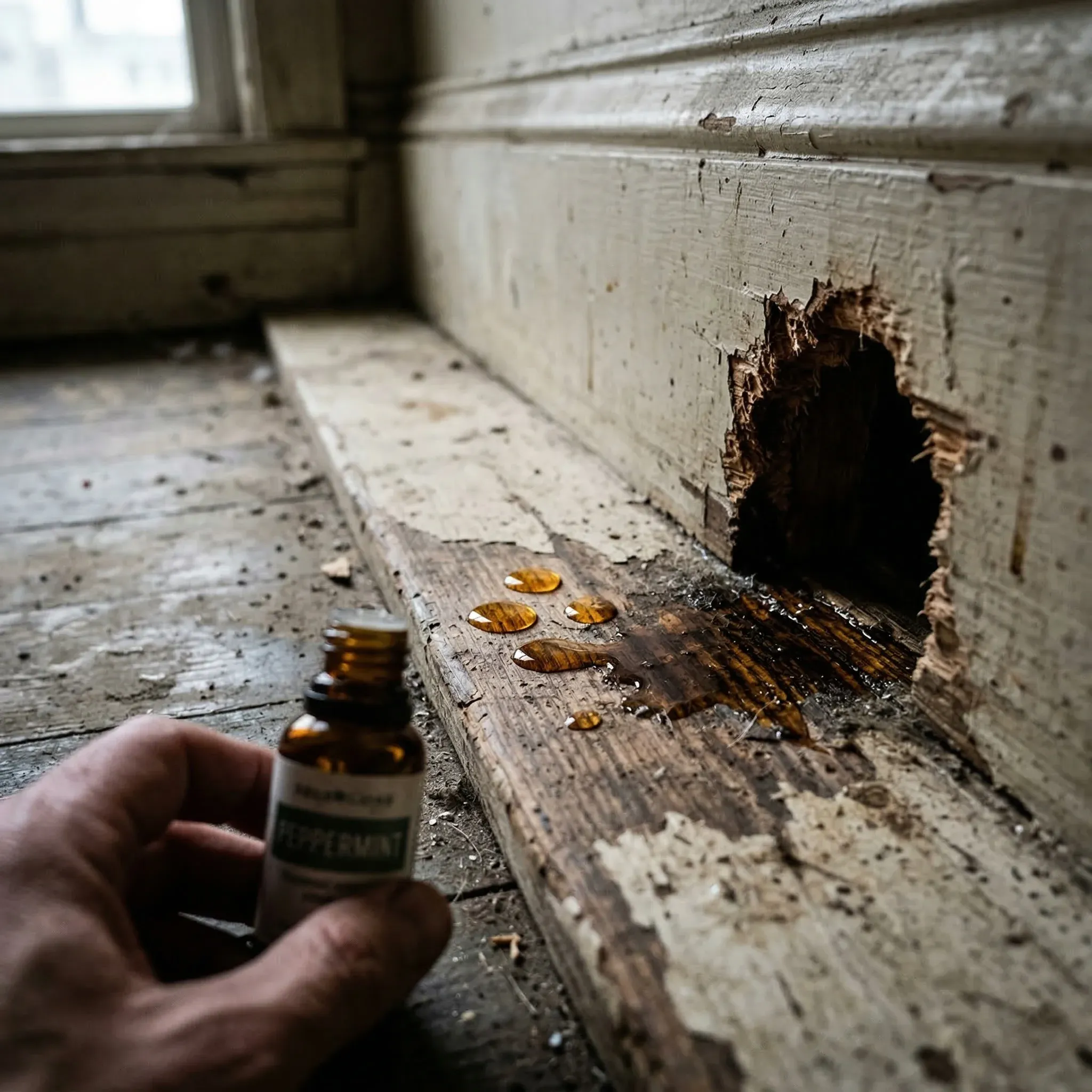
- burrows near slabs, sheds, and foundation lines
- loud movement in low wall voids or under-floor spaces
Risk Profile
Norway rats are a high-damage species:
- they contaminate storage and food areas heavily
- they can destroy insulation and wiring
- they exploit drains, sewer routes, and exterior burrow systems
- they require heavier-duty hardware than mice
Trapping Strategy
- Use rat-specific snap traps or enclosed electronic rat hardware.
- Scale bait size to the animal; tiny mouse-style bait amounts are not enough.
- Pre-baiting matters because larger rats are often more suspicious of new objects.
- Place hardware tight to walls, behind appliances, and at burrow-adjacent travel points.
What To Avoid
- lightweight mouse traps
- casual under-deployment
- random center-of-room placement
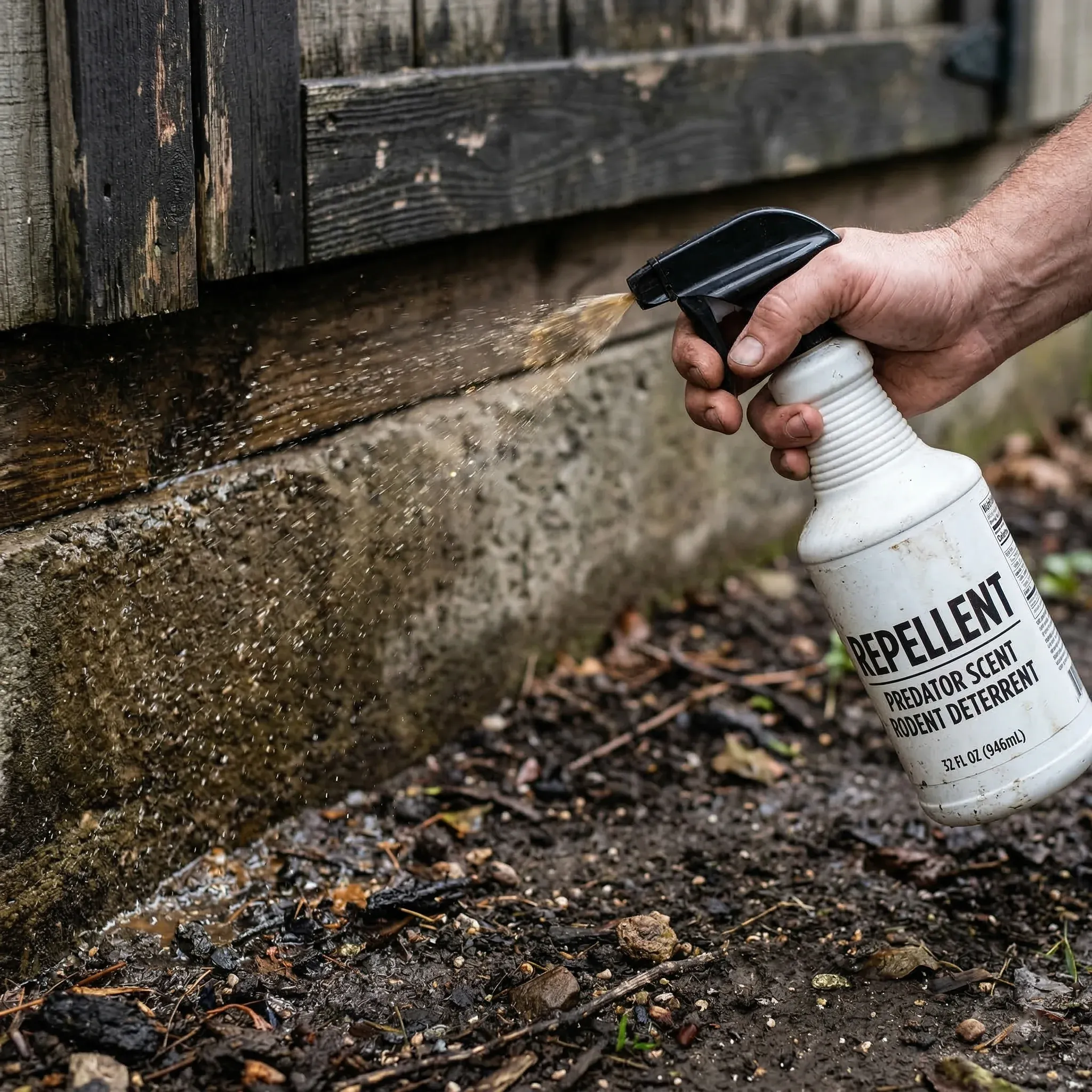
- relying on scent repellents instead of capture and exclusion
Exclusion Priorities
Focus on heavy utility penetrations, drain lines, broken vents, garage gaps, and foundation failures. Norway rats punish weak materials and incomplete sealing.
Conclusion
The Norway rat is not a “bigger mouse.” It requires stronger hardware, more deliberate placement, and more serious structural repair. Treat it like a high-force intruder, not a nuisance pest.
Responses (0)
Loading comments...